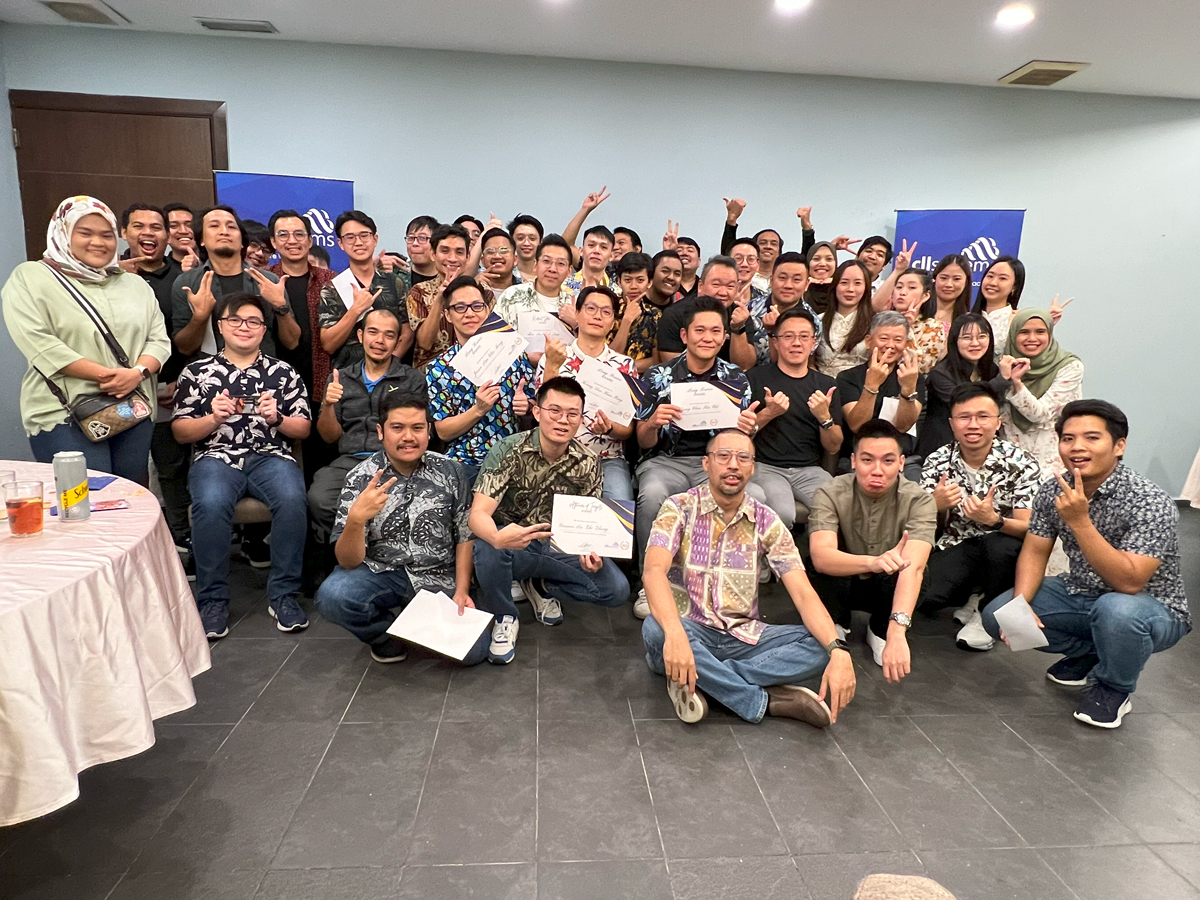
What if the next improvement at work starts with one simple question: “Why do we do it this way?”
That was the thinking behind the CLL-COE AI Challenge 2026, an initiative by CLL Systems’ Center of Excellence (COE) to encourage engineers to rethink everyday challenges and explore practical AI-powered solutions.
Four teams took on the challenge: identify a real workplace problem, propose a better approach and demonstrate its potential to improve efficiency, accuracy or productivity. The emphasis was on practical value, not technology for technology’s sake.
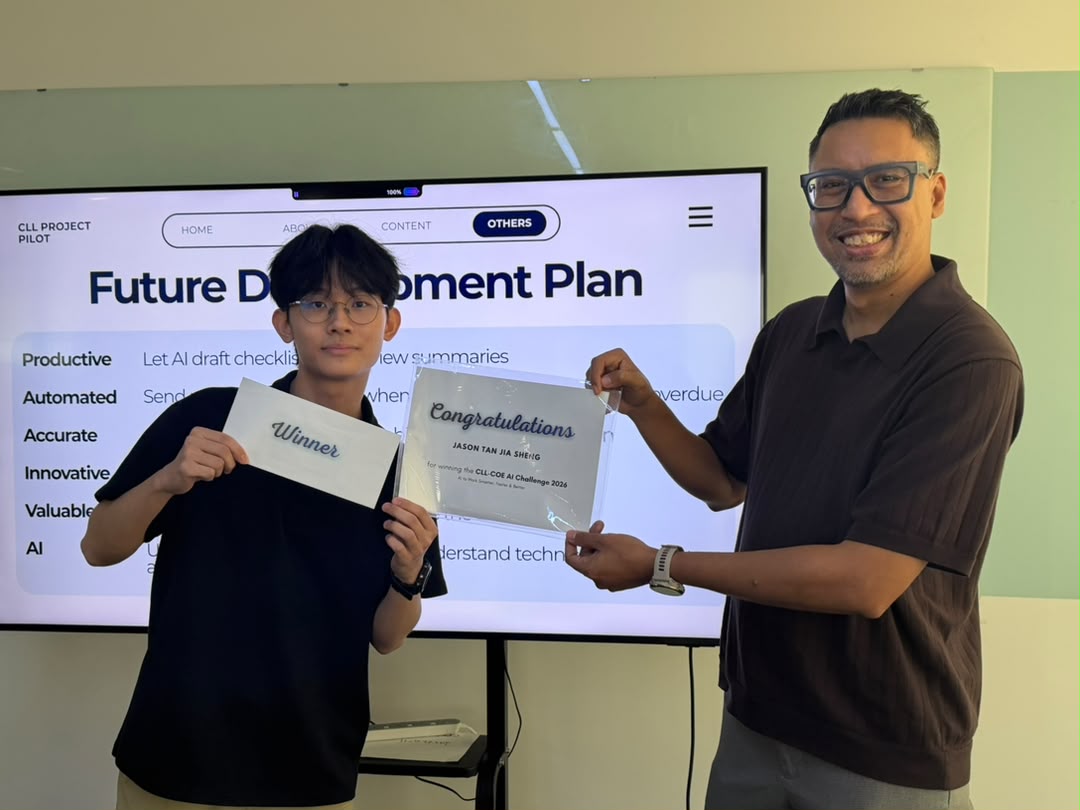
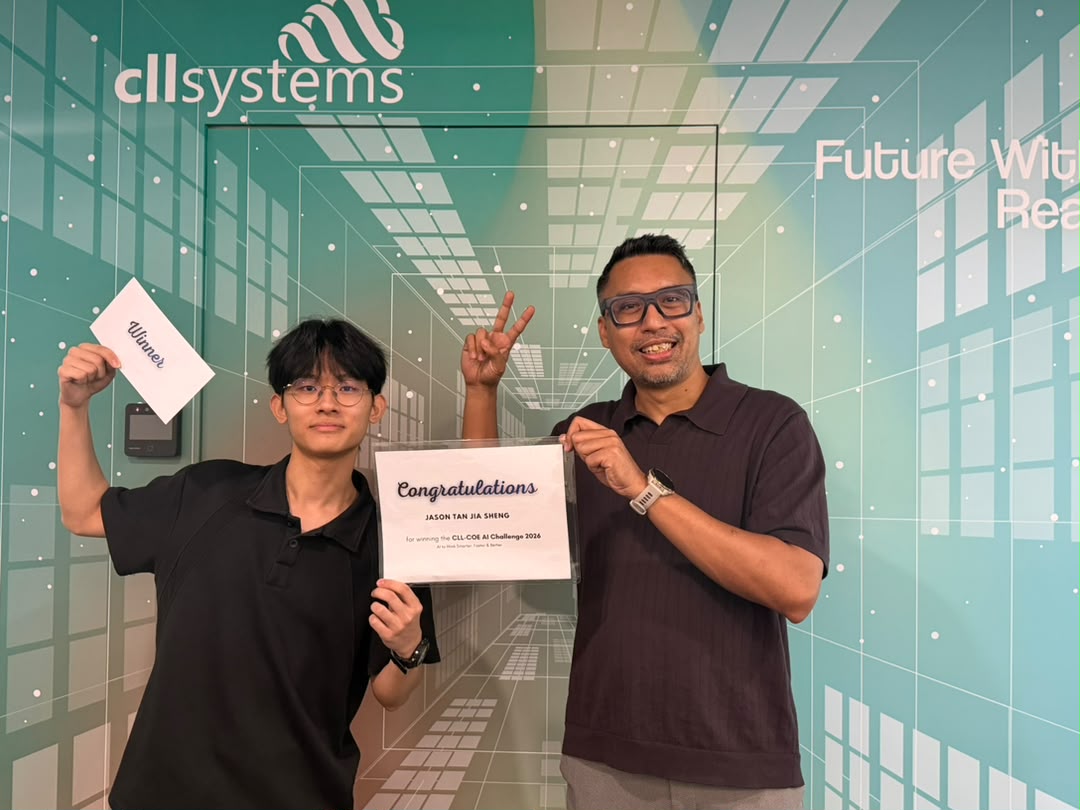
Meet the Winner: Jason Tan Jia Sheng
Jason emerged as the winner with a unanimous 5–0 decision from the judges, earning the RM1,000 cash prize.
What set his entry apart? He went beyond presenting an idea and built prototypes to demonstrate how his proposed solutions could work in practice.
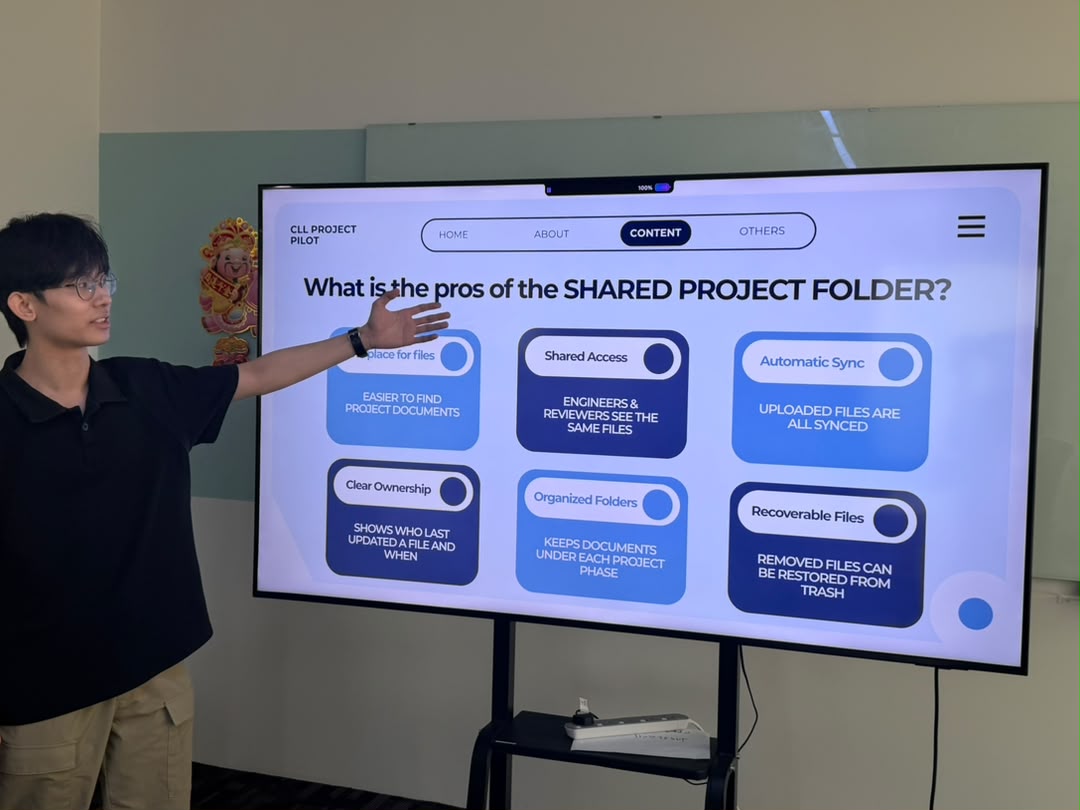
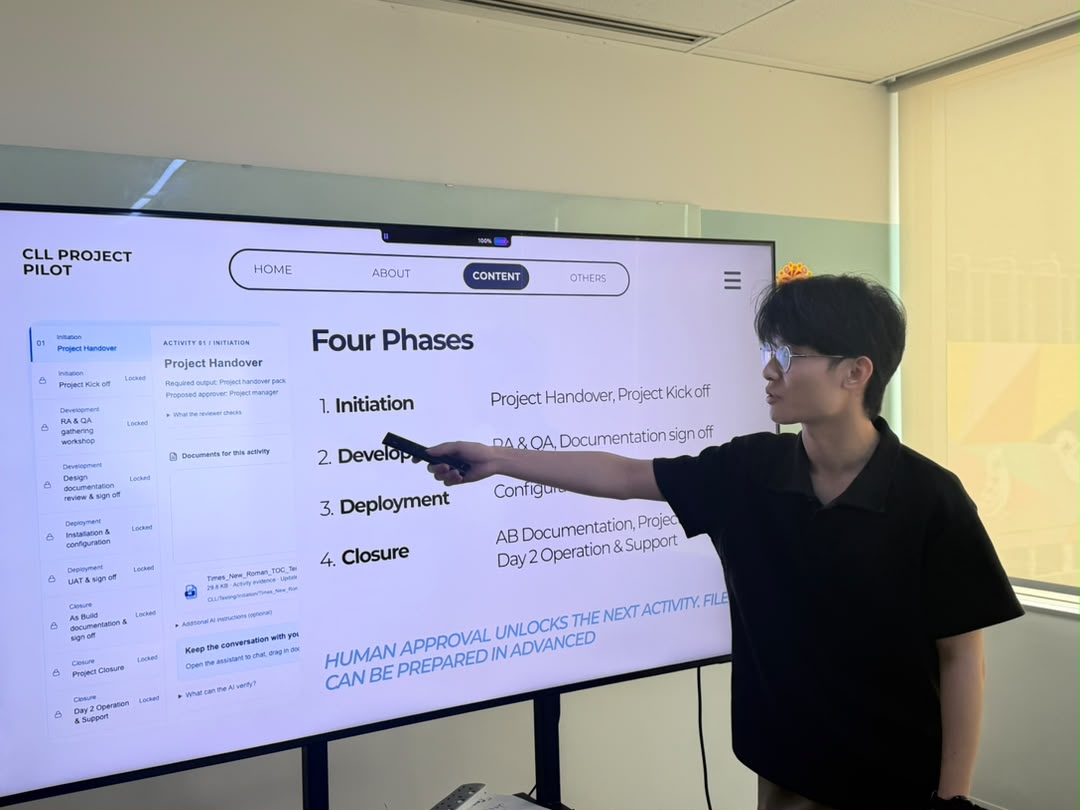
His submission comprised CLL Project Pilot, which explores how project information, engineering evidence and approvals could be managed in one place, and an NOC monitoring dashboard designed to provide visibility into Level 1 (L1) engineers’ activities and working status.
We spoke with Jason and the head judge to find out what inspired the ideas, what made the submission stand out and what it takes to turn a promising concept into practical value.
In Conversation with Jason
1. What workplace challenge sparked CLL Project Pilot?
During my internship at CLL Systems, I noticed that managing project documentation, engineering evidence and approvals could involve considerable manual work. I saw an opportunity to bring these processes together, making information easier to track and project progress easier to manage.
2. Why build a prototype instead of just presenting the idea?
I wanted to show how the idea could work in practice, rather than just explain it on paper. CLL Project Pilot brings project information, evidence and approval tracking into one place. Building the prototype allowed me to demonstrate the proposed workflow and explore how it could reduce manual effort and improve coordination.
3. You also developed an NOC monitoring dashboard. What did you learn from building both prototypes?
I wanted to explore how technology could give teams better visibility into engineers’ daily activities and working status. Developing both prototypes taught me that a good solution starts with understanding real workplace needs. It also helped me apply what I learned at university to practical challenges, from software development to troubleshooting.
4. What’s next for your winning idea?
I’d start by testing CLL Project Pilot with actual users and refining its usability, reliability and workflows based on their feedback. Then I’d explore AI features such as intelligent document search and automated summaries to help engineers find information faster. The goal is to develop the prototype into something the team can genuinely benefit from.
The Head Judge’s Perspective – Tc. Firdaus Baharin, Service Delivery Manager
1. What set Jason’s entry apart and led to the unanimous decision?
Jason’s entry combined service delivery experience with AI engineering expertise to address real operational challenges. His focus on customer needs, reliability and measurable business value, backed by a prototype that demonstrated his proposed solution, made it stand out and led to the unanimous decision.
2. Beyond demonstrating AI capabilities, what makes a solution worth pursuing within CLL?
A solution is worth pursuing when it solves a real problem, delivers measurable value, and is reliable, secure and easy to integrate into everyday work. AI should make the solution more useful, not simply more sophisticated.
3. What does CLL hope to achieve through challenges like this, and how can the team turn ideas into meaningful improvements?
CLL aims to turn innovation into better services and more efficient ways of working. We can sustain this by testing practical ideas, learning from feedback and scaling solutions that demonstrate measurable value.
From Ideas to Impact
The CLL-COE AI Challenge is about more than selecting a winner. It encourages engineers to question established processes, experiment with ideas and apply their skills to meaningful business challenges.
Congratulations to Jason and thanks to all four teams and the judges for contributing to the challenge.
The real win? When a good idea moves beyond the prototype and makes a measurable difference.